Destinations
Southern Ethiopia
Follow the Rift Valley into highland communities, South Omo and coffee country, with an optional Bale Mountains extension.
Destinations
Southern Ethiopia
Destinations
Destinations
Follow the Rift Valley into highland communities, South Omo and coffee country, with an optional Bale Mountains extension.
Destinations
Destinations
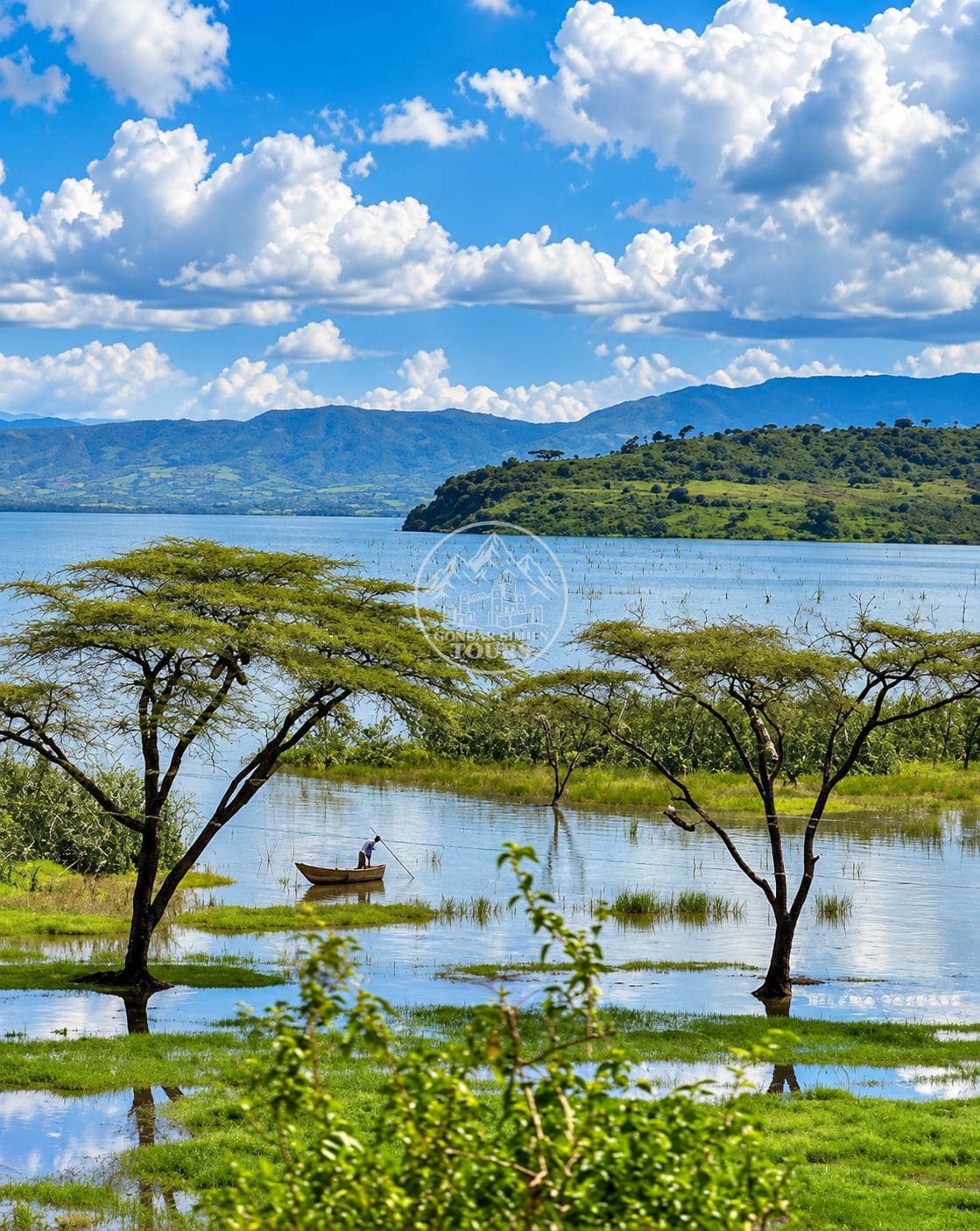
Southern Ethiopia; Rift Valley; gateway to Lake Chamo and the Guge Mountains / Dorze highlands
Arba Minch (“forty springs”) is the principal southern gateway for The Southern Ethiopia Journey. Travellers arrive from Addis Ababa through changing Rift Valley landscapes and use the town as a base for Lake Chamo boat time and the climb toward Dorze in the Guge Mountains. Two nights here support better pacing: wildlife and water one day, highland culture the next, rather than compressing everything into a single overnight.
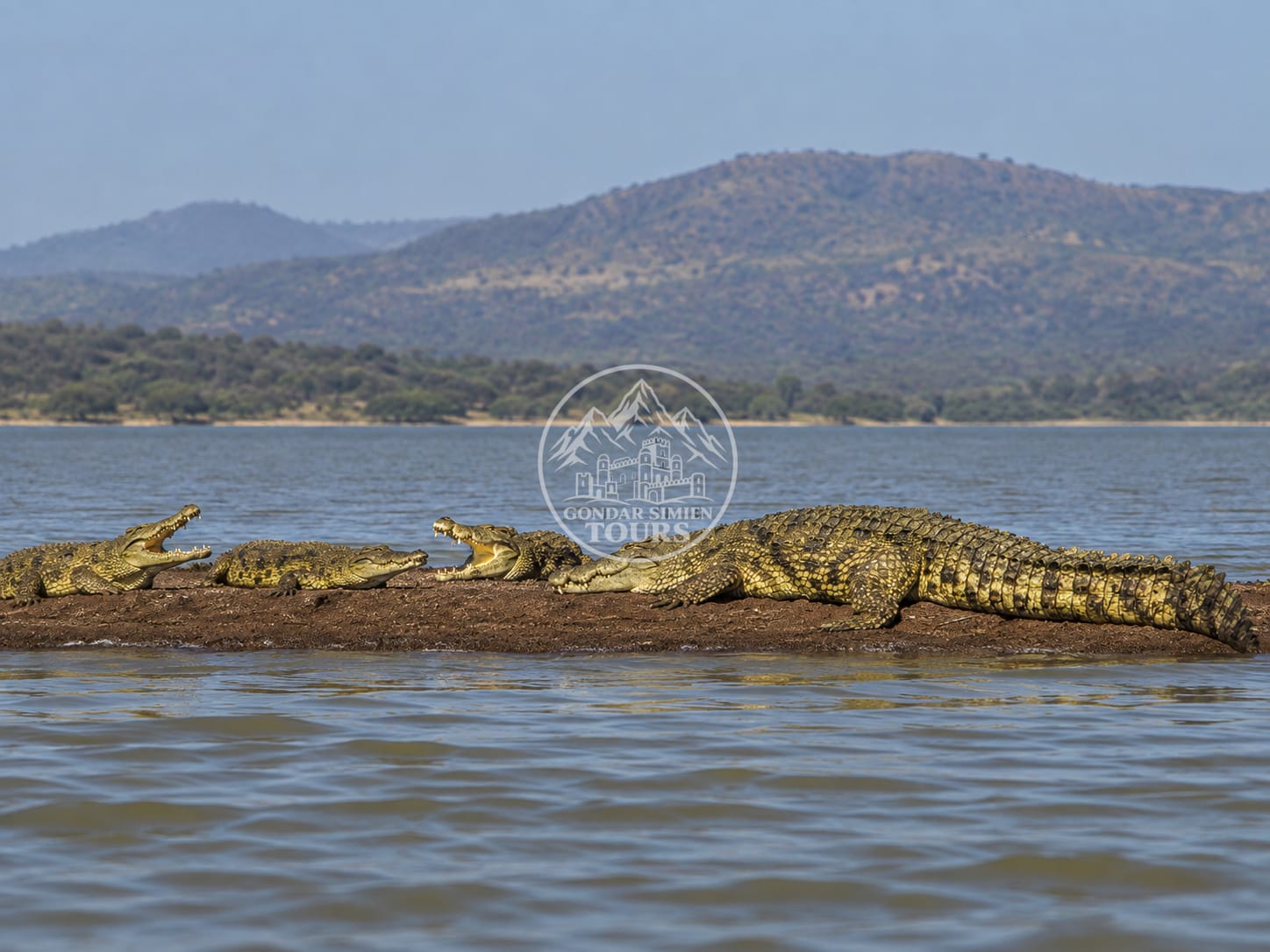
Southern Rift Valley; beside Arba Minch
Lake Chamo is the wildlife-and-water half of an Arba Minch stay. Early boat excursions (subject to weather and operating conditions) look for Nile crocodiles, hippos, waterbirds, fish eagles and other lake wildlife. Sightings are never guaranteed; wildlife does not perform for visitors.
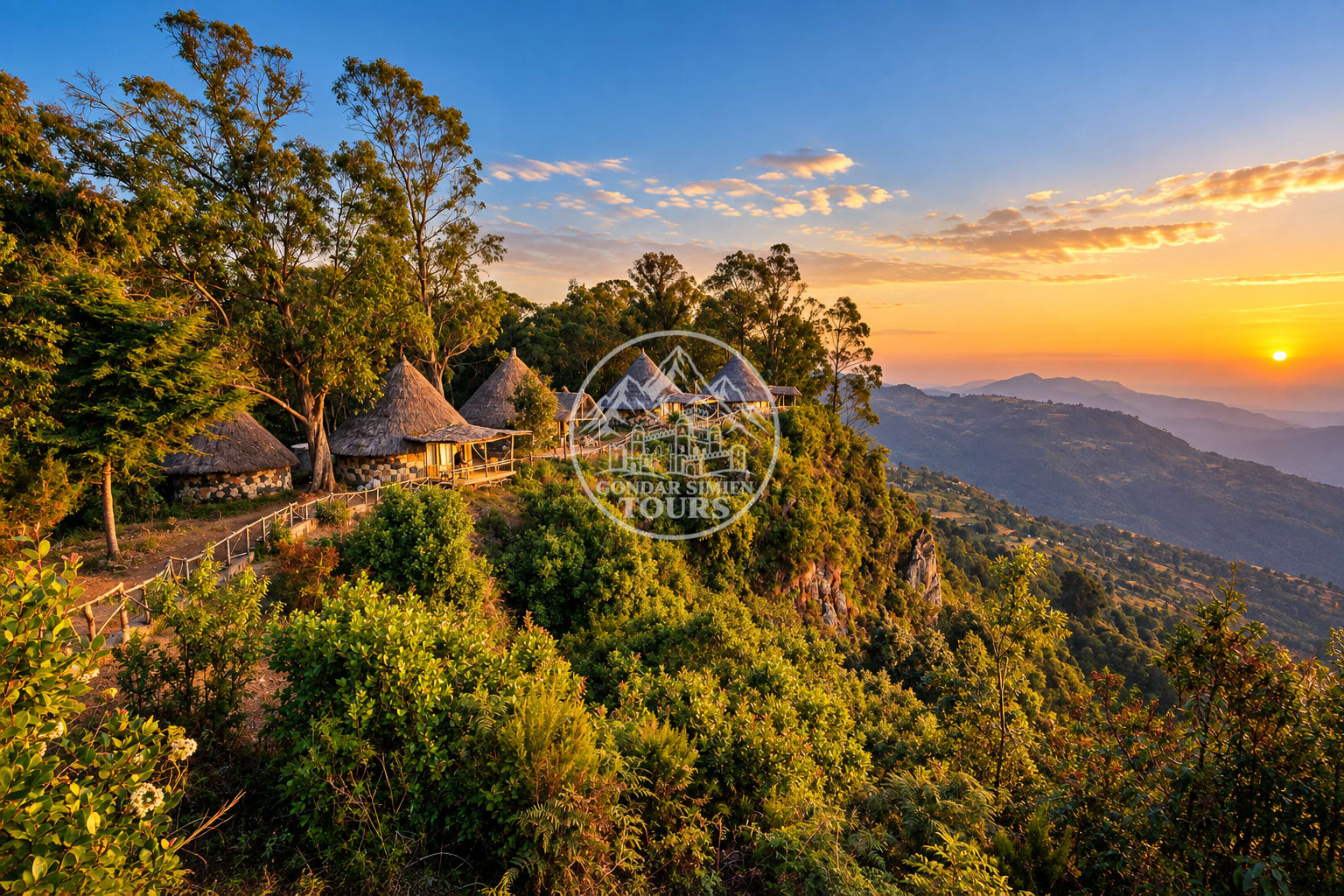
Highlands above Arba Minch; Guge Mountains, southern Ethiopia
The road from Arba Minch into the Guge Mountains climbs quickly; landscape and climate change within a short drive. Dorze communities are known for distinctive bamboo architecture, weaving, highland agriculture and food traditions adapted to elevation. Visits focus on how people live in and shape this highland environment — architecture, craft, farming and daily life — with locally prepared food experiences where appropriate and arranged.
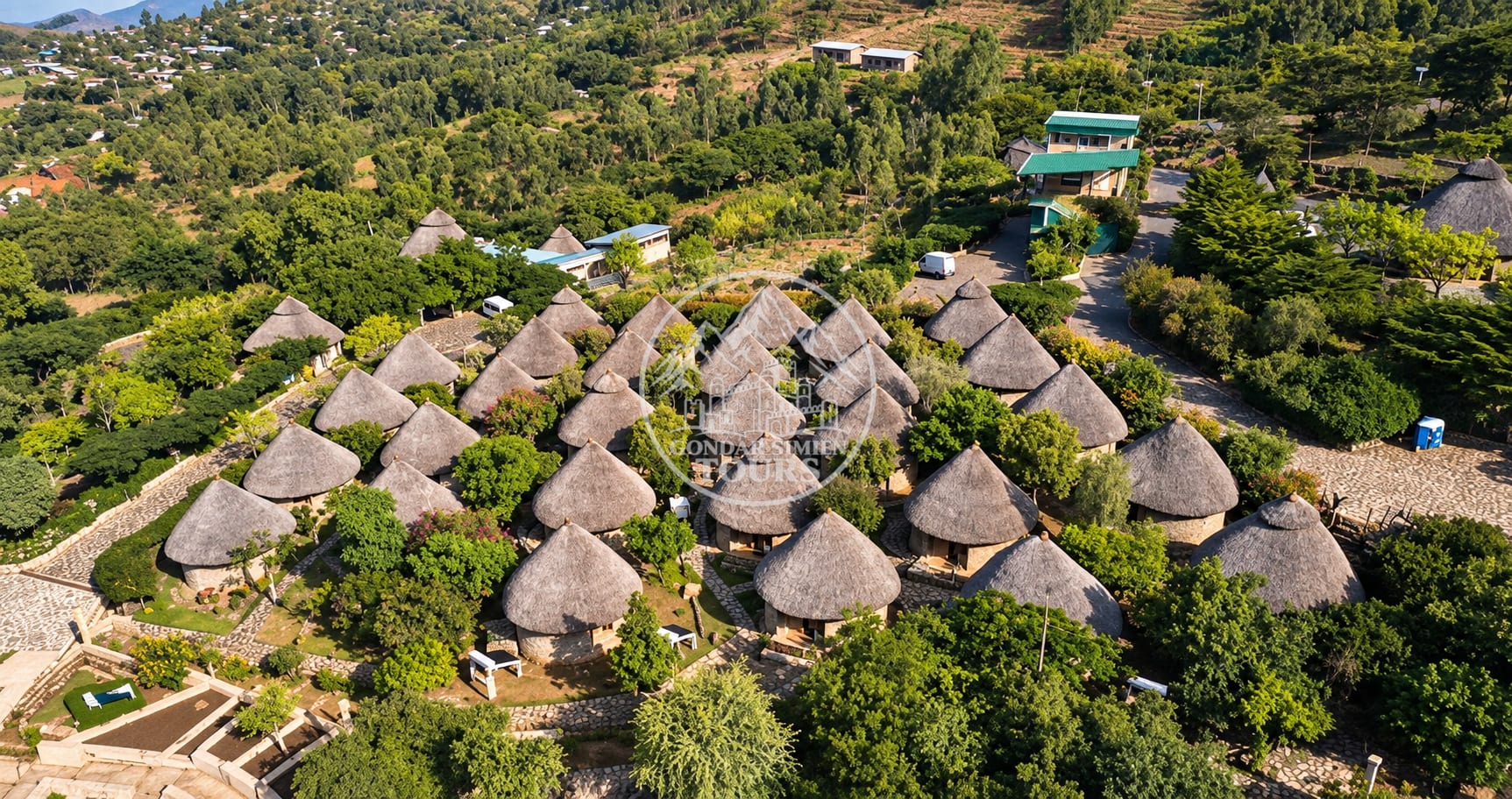
Southern Ethiopia; Konso area between Arba Minch and Jinka corridors
Konso is a UNESCO-listed cultural landscape. Terraced agriculture, stone walls, traditional settlements and farming systems show how communities have shaped steep land over generations. The visit should explain that landscape story — not reduce the stop to photographing houses.
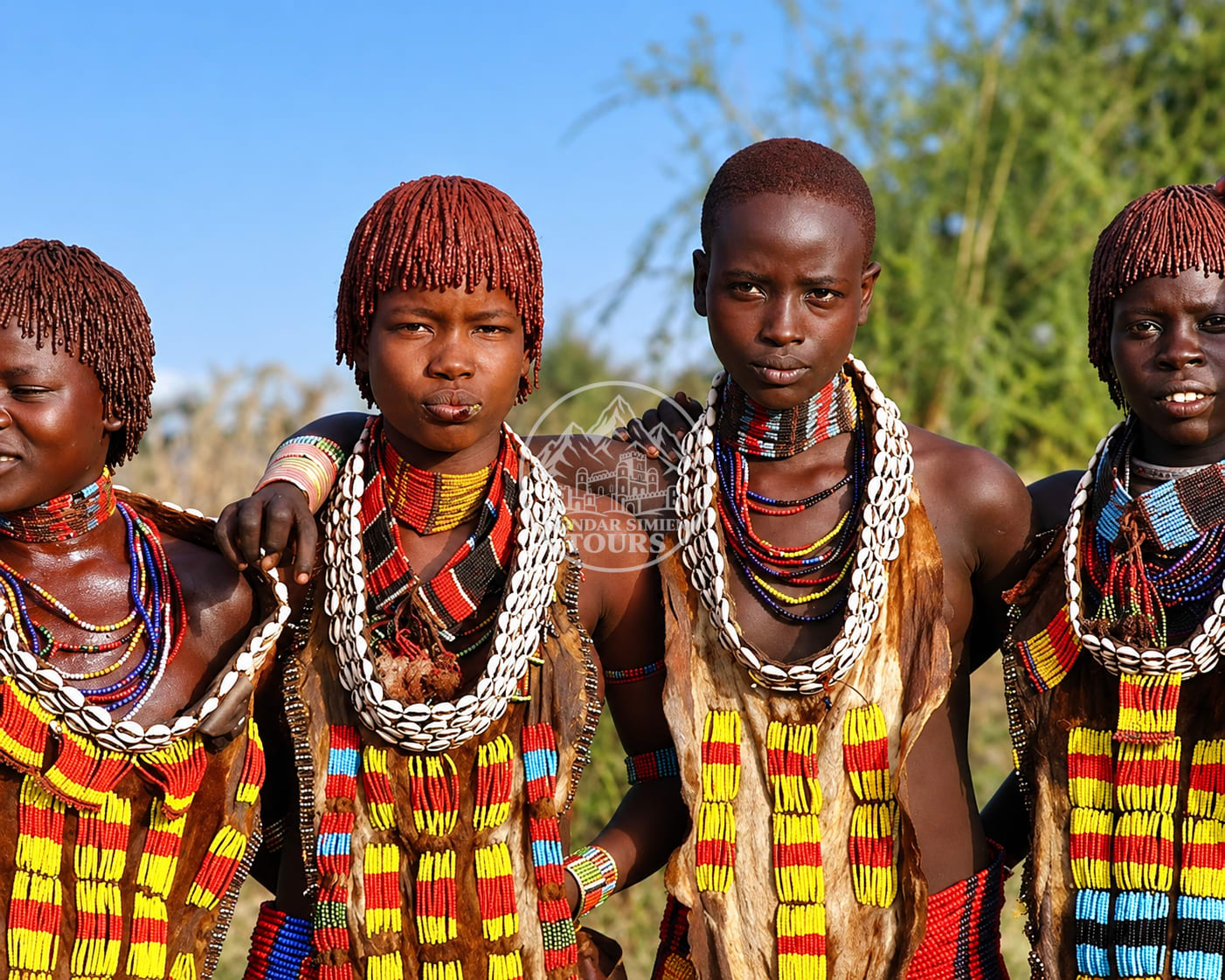
Southern Ethiopia; gateway town toward Mago National Park and South Omo
Jinka is the practical base for entering the Mago / Mursi area when road and park conditions allow, and for cultural context before deeper Omo travel. A visit to the South Omo Research Center or local museum (when open and appropriate) helps travellers understand livelihoods, history and change before community visits — reducing the risk of treating people as a photographic checklist.
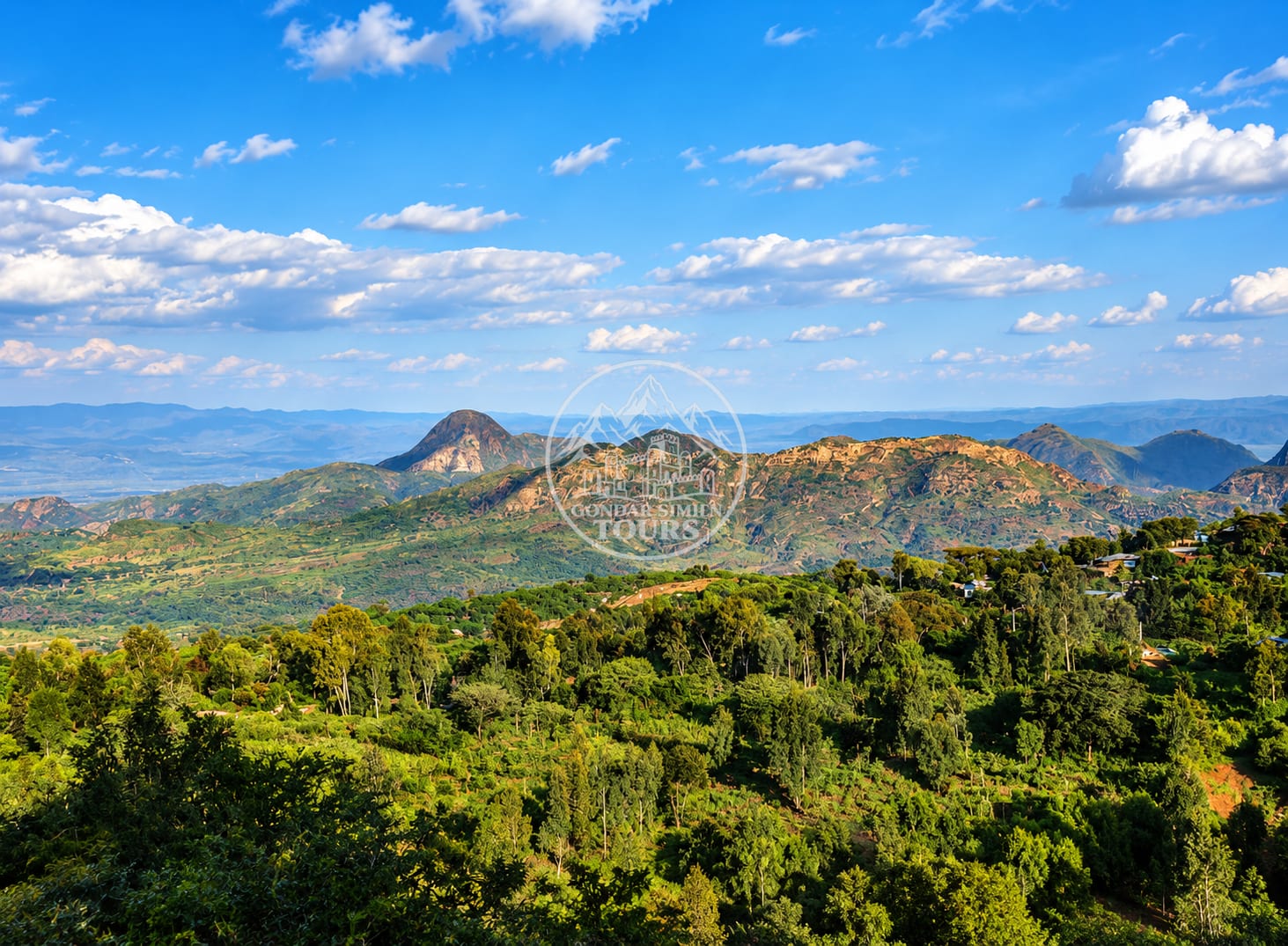
Southern Ethiopia; accessed from Jinka; park and lowland approaches toward Mursi area
Mago National Park forms part of the approach into the Mursi area from Jinka. Entry and travel are subject to current road and park conditions. The park landscape and wildlife context matter, but the signature journey’s emphasis on this day is cultural understanding in neighbouring community areas — livelihood, cattle, agriculture, environment and change — not a promise of specific animals or village performances.
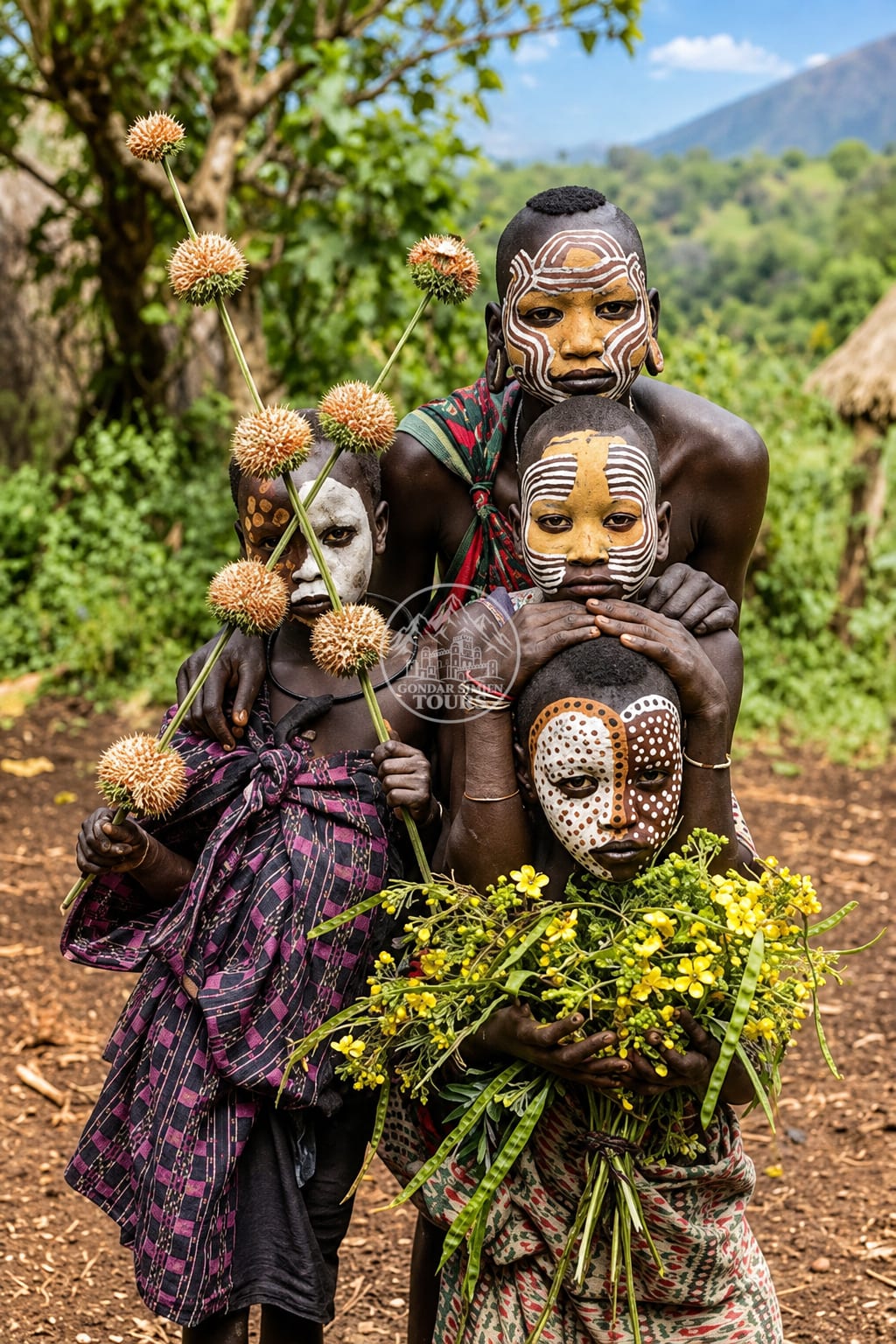
Southern Ethiopia; communities in and around the Mago corridor from Jinka
Visits in the Mursi area, when locally arranged and appropriate, focus on cultural understanding: livelihood, cattle, agriculture, social traditions, environment, history and change. Guides should not reduce the community to a photograph. If photography is appropriate, guests must ask permission.
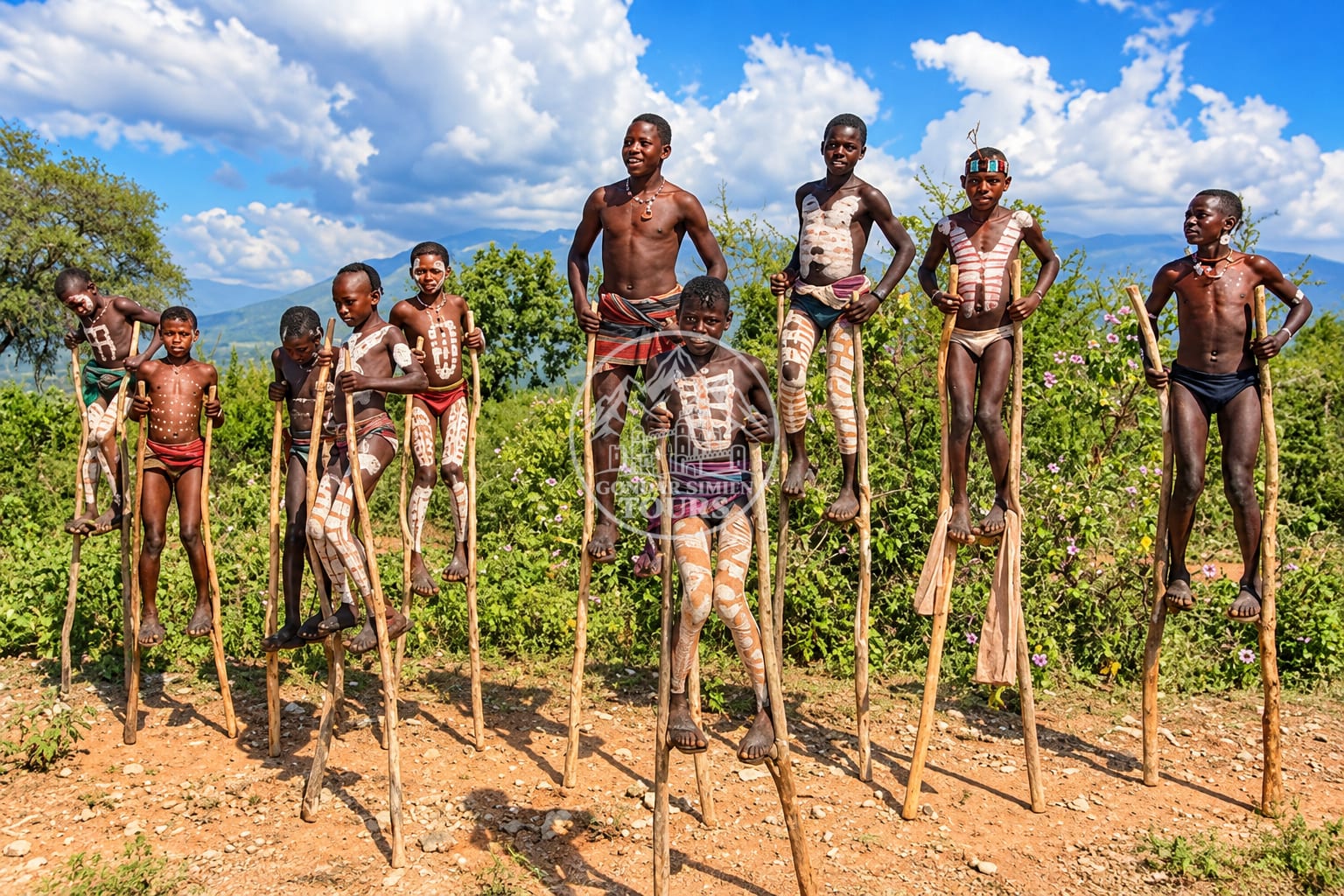
Southern Ethiopia; on the road between Jinka and Turmi
Key Afer is known for a local market that operates on specific days. On The Southern Ethiopia Journey it is a possible stop when the market is running — confirmed before the trip, not assumed. When open, it is presented as a working marketplace where people trade livestock, goods and produce, not as a staged tourist event.
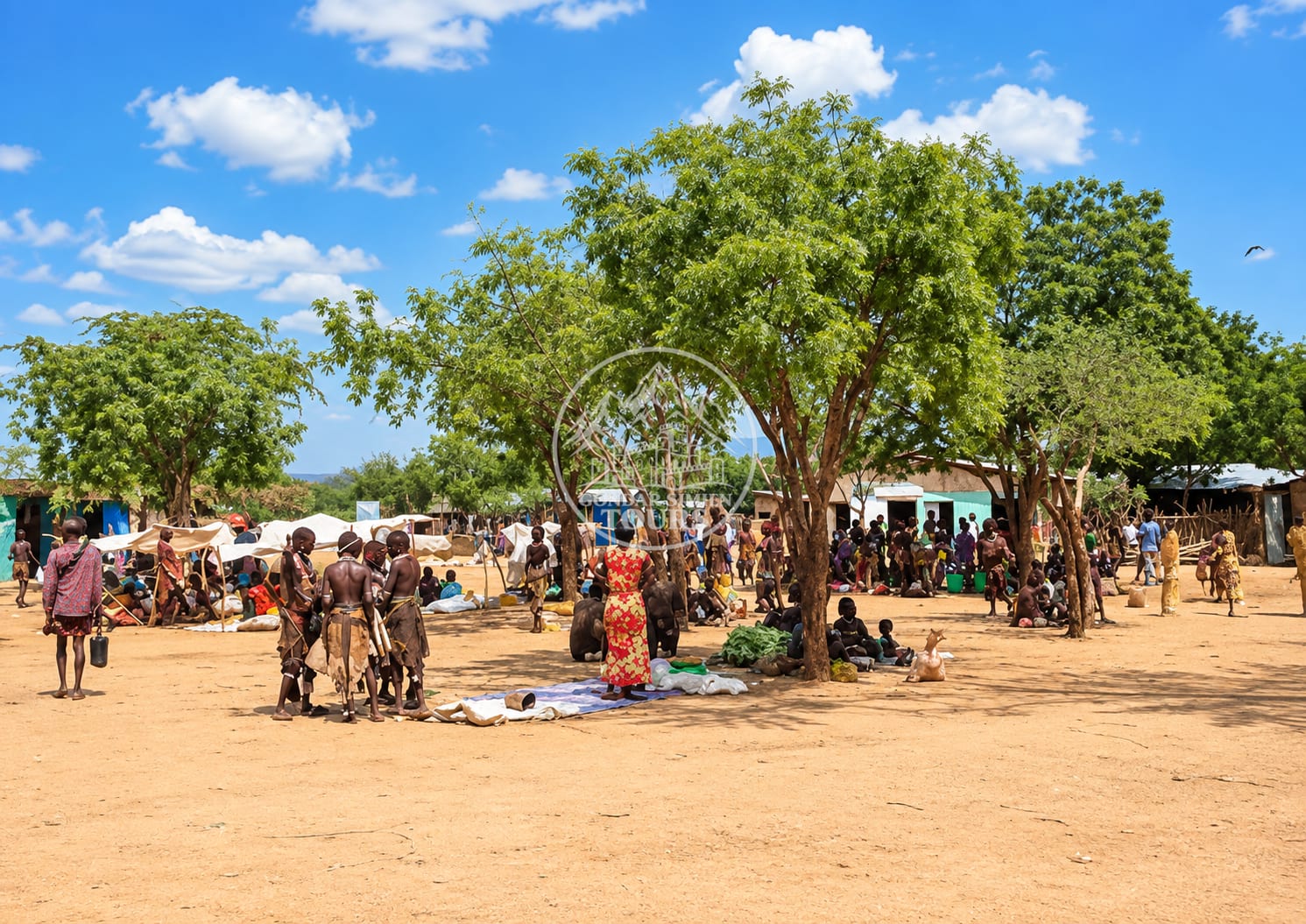
Southern Ethiopia; South Omo; base for Hamer, Karo and Omorate directions
Turmi is the main overnight base for the Omo lowland section of the southern journey. Multiple nights here support slower cultural days, Karo and Omo River time, and the Omorate / Dassanech excursion without constant hotel changes. Arrival often follows the Key Afer road; late afternoon may include a nearby Hamer community visit where locally arranged and appropriate.
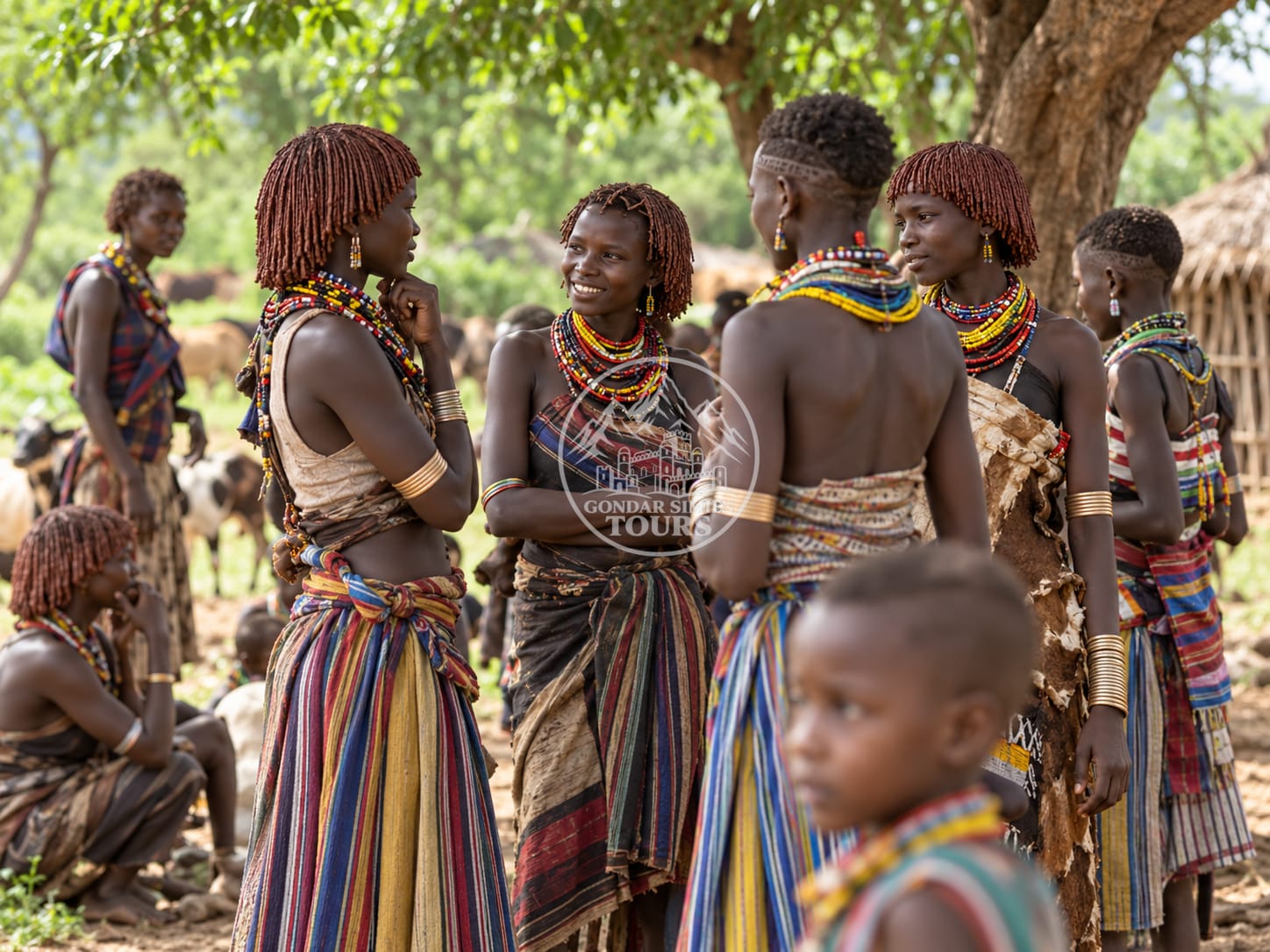
Southern Ethiopia; pastoral landscapes around Turmi and wider Hamer areas
Hamer community time on the signature journey is deliberately slower: a visit focused on pastoral life, agriculture, family life, craft, clothing traditions, livestock, local food, and music or dance only where naturally occurring and appropriately arranged. If a genuine cultural ceremony is taking place and guests are welcome, attendance may be possible — ceremonies are not guaranteed and are never staged for tourists.
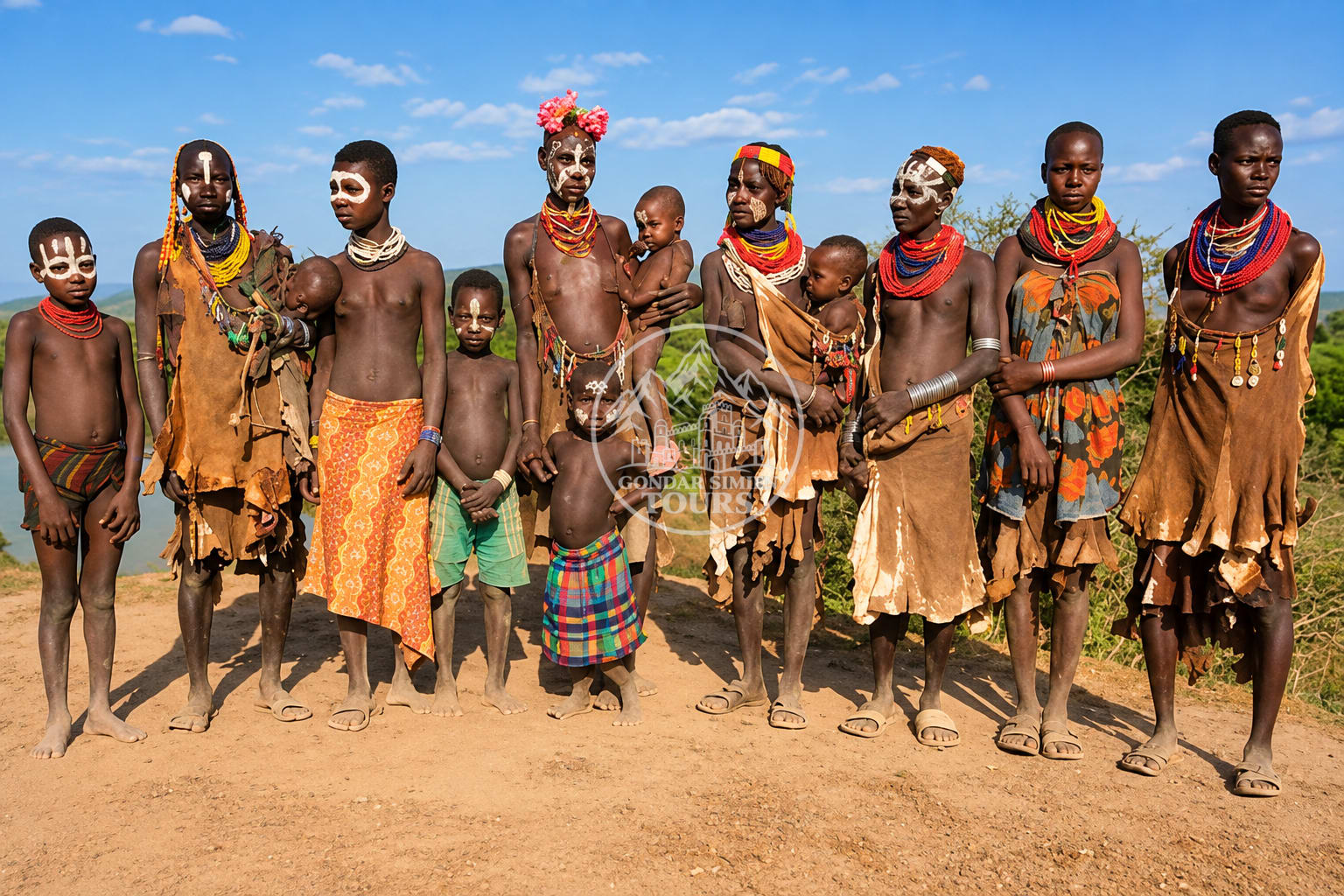
Southern Ethiopia; Omo River corridor from the Turmi area
Karo community visits, where locally arranged and appropriate, explore river life, livelihood, agriculture, cattle, art, body decoration traditions and environmental adaptation along the Omo. The day typically combines travel through changing landscapes with community time and viewpoints overlooking the Omo River where access allows.
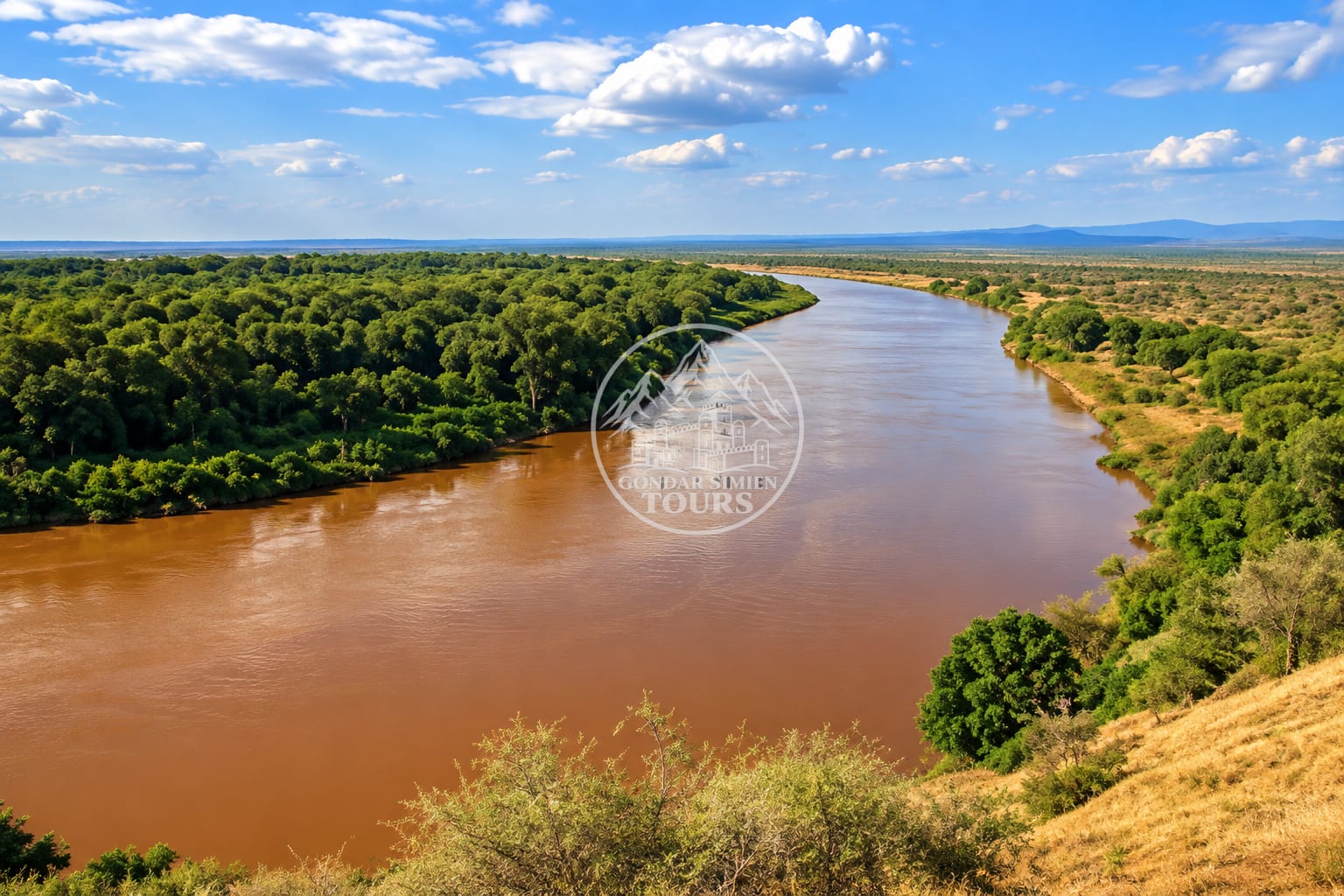
Southern Ethiopia; corridor linking Karo, Omorate and wider South Omo communities
The Omo River has shaped settlement, movement, farming and pastoral life across southern Ethiopia for generations. On the signature journey it appears both as viewpoint landscape (from Karo-area approaches) and as a crossing zone near Omorate where boat or local transport may be required and operating.
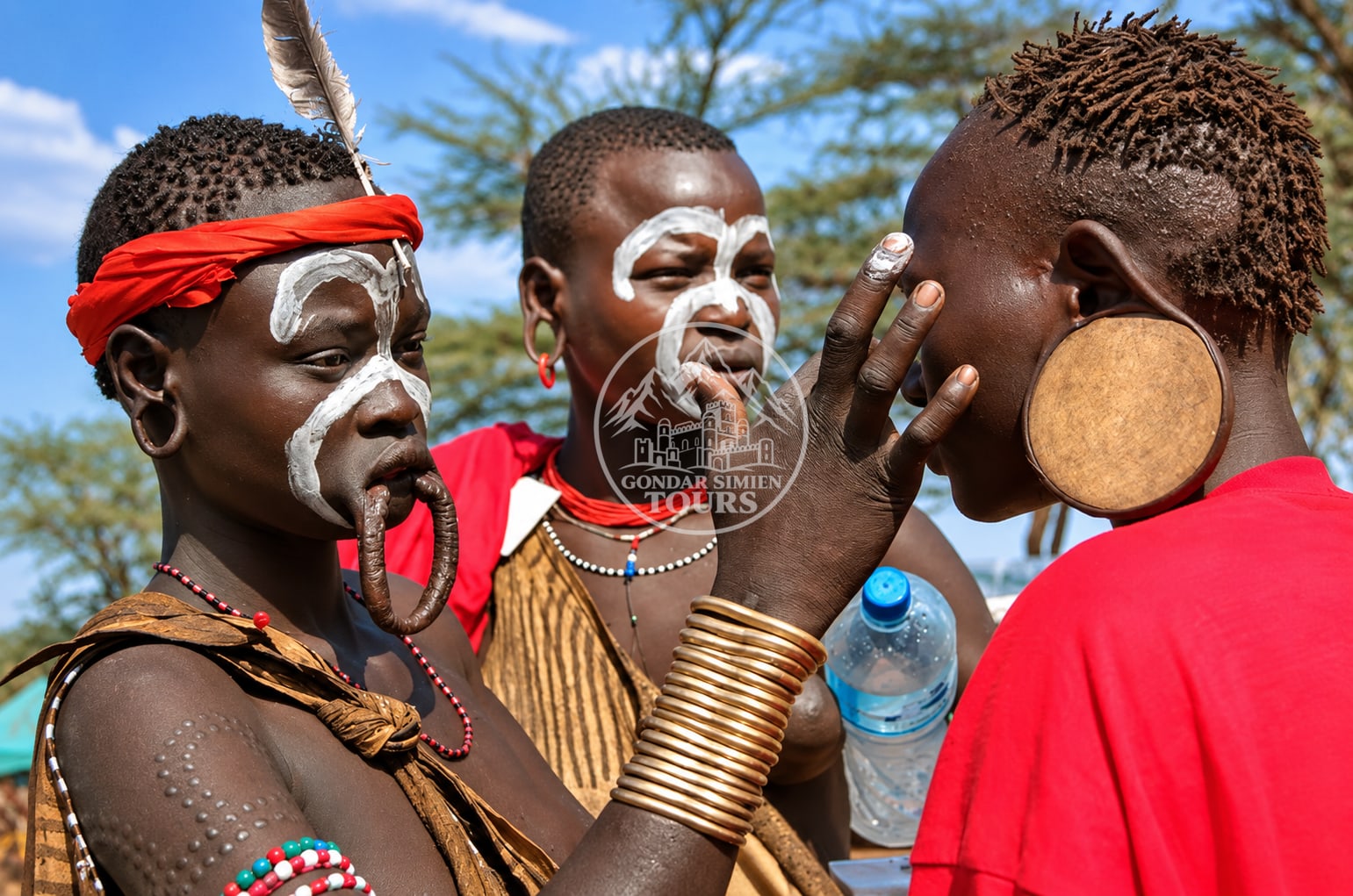
Southern Ethiopia; lower Omo toward the Dassanech area
Omorate is the gateway settlement for lower Omo visits toward Dassanech communities. An early departure from Turmi, river approach and boat crossing or local transport (where required and operating) lead to locally arranged community visits focused on river environment, pastoralism, fishing and agriculture where applicable, craft, settlement patterns and changing livelihoods.
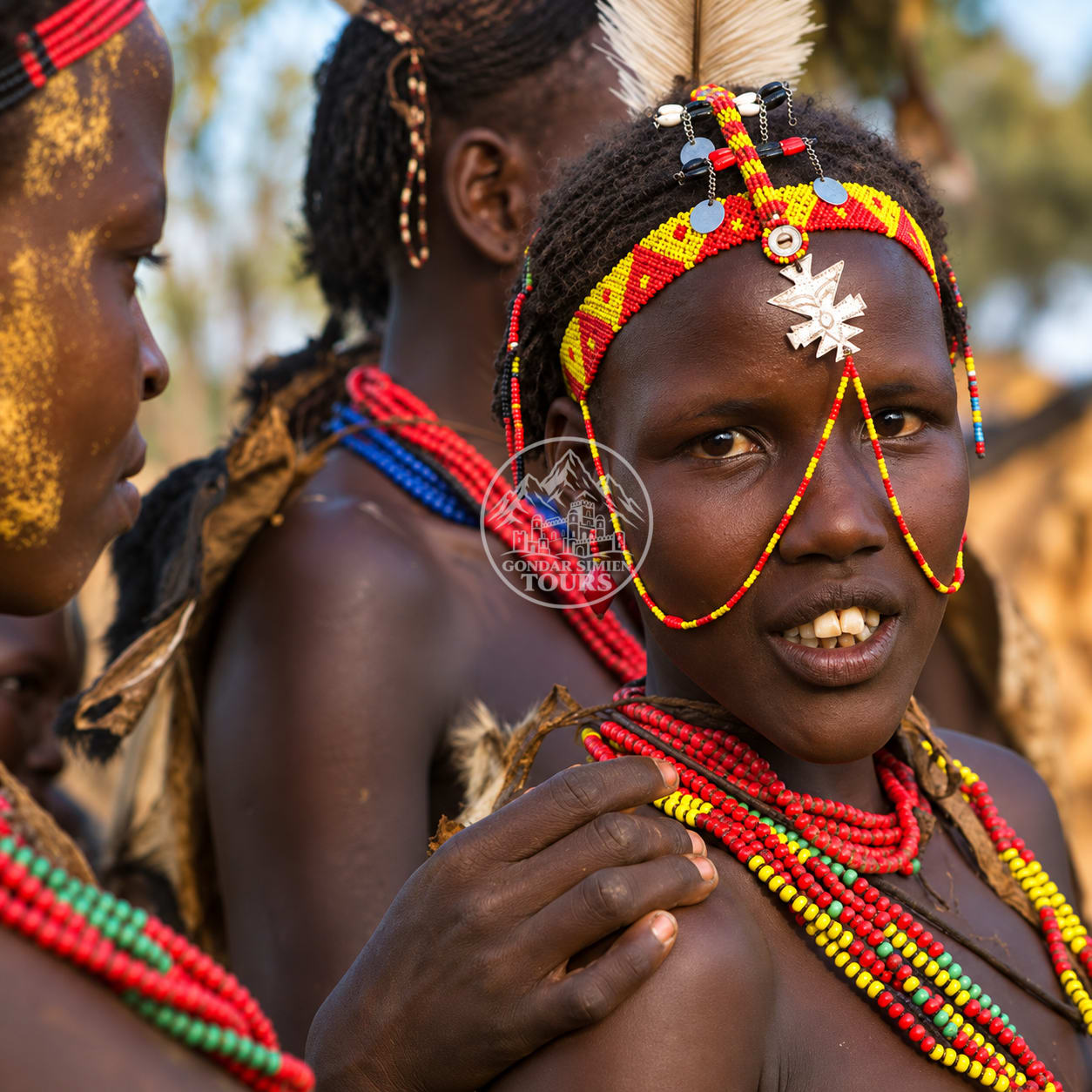
Southern Ethiopia; lower Omo communities accessed via Omorate
Dassanech community visits, through local arrangements, focus on life around the lower Omo: river environment, pastoralism, fishing and agriculture where applicable, craft, settlement patterns and changing livelihoods. The framing matches the rest of the southern product — understanding how landscape and livelihood connect — not a photographic checklist of ethnic labels.
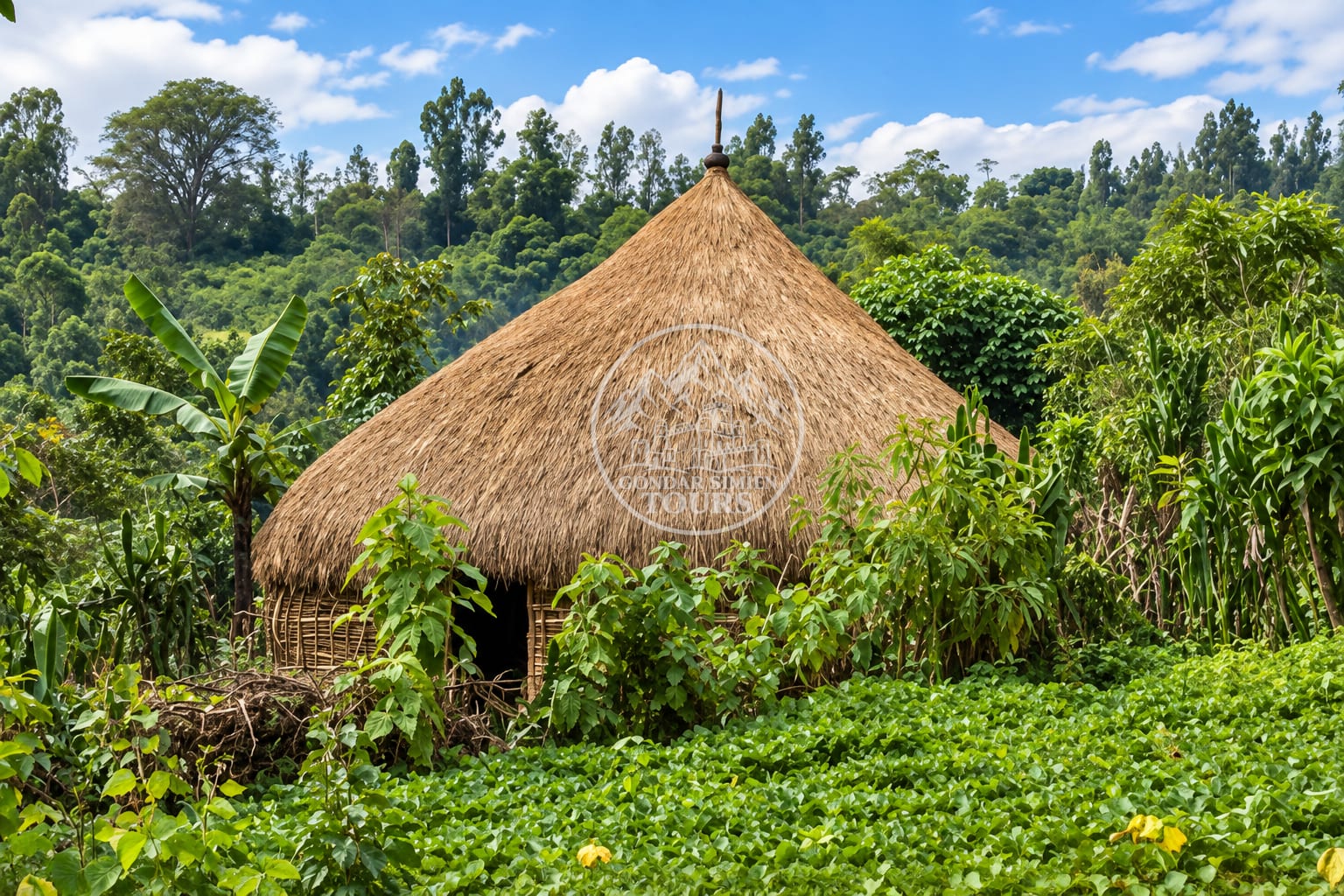
Southern Ethiopia highlands; Sidama area; on northward return routes from Omo toward the Rift Valley / Addis
Yirgalem appears on the northward return of The Southern Ethiopia Journey as a selected highland stop — a deliberate break from “drive all day” logistics. Depending on road conditions and final routing, overnight may be in Yirgalem or another chosen Rift Valley location. The area links Omo lowland days back toward coffee country and Rift lakes.
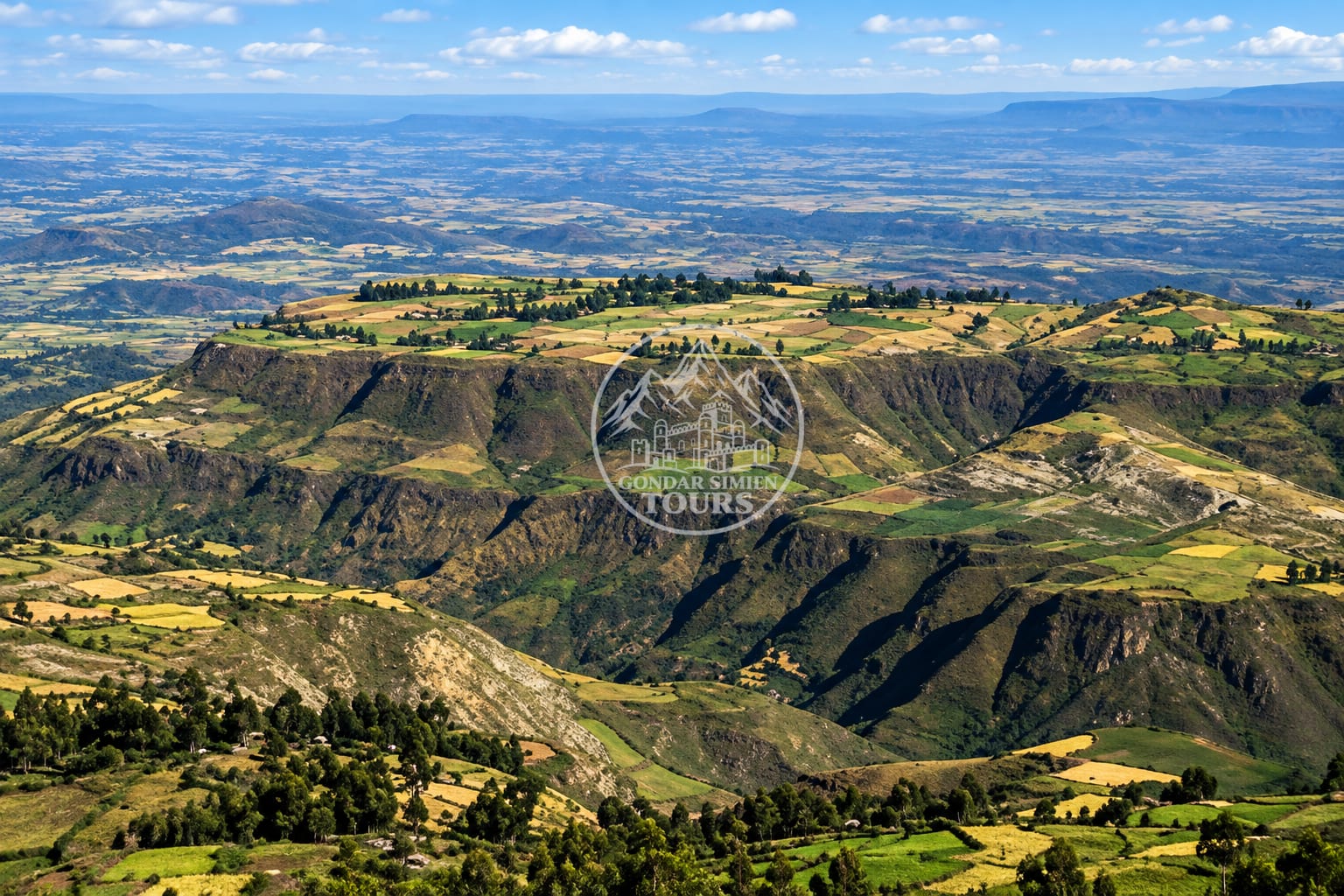
Ethiopian Rift Valley; lakes including Ziway and Langano as journey stops between southern highlands and Addis Ababa
The Rift Valley lakes corridor — with possible stops around Ziway or Langano depending on final routing — frames both the outward journey south from Addis and the return north after Omo and coffee country. These lakes are not usually full multi-day destinations on the signature package; they are paced stops that remind travellers the south begins and ends in Rift landscapes.
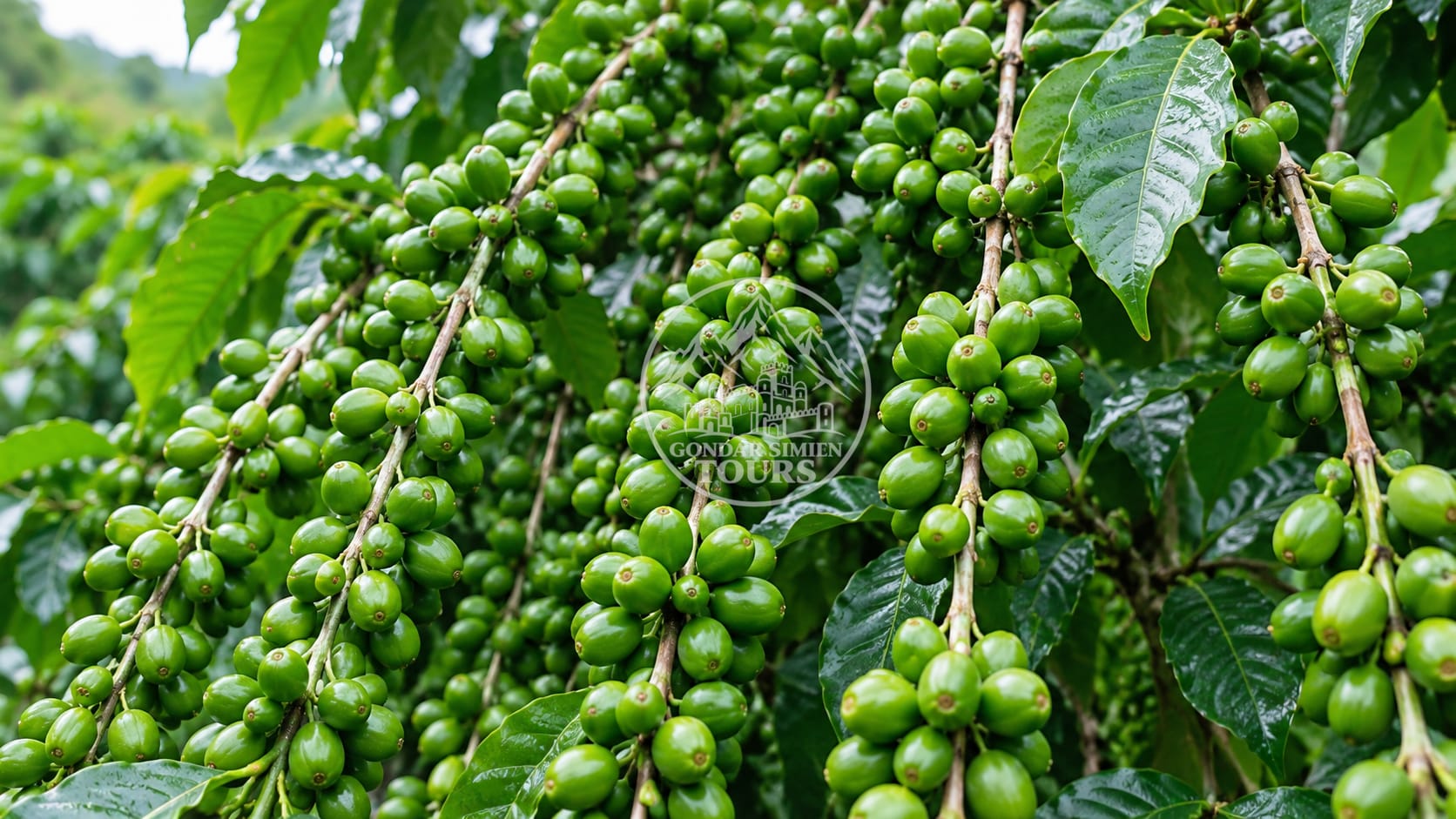
Southern highland coffee-growing areas including the Yirgalem corridor and related Sidama / southern highland zones
Southern Ethiopia is coffee country as well as Omo country. A dedicated morning or day for coffee farming, harvesting, processing, traditional preparation and local coffee culture — where available — is built into the signature journey precisely because many standard Omo itineraries underplay it.
Optional extension
Southeastern Ethiopian highlands; UNESCO World Heritage Site; distinct from South Omo geographically but offered as optional extension after the southern journey
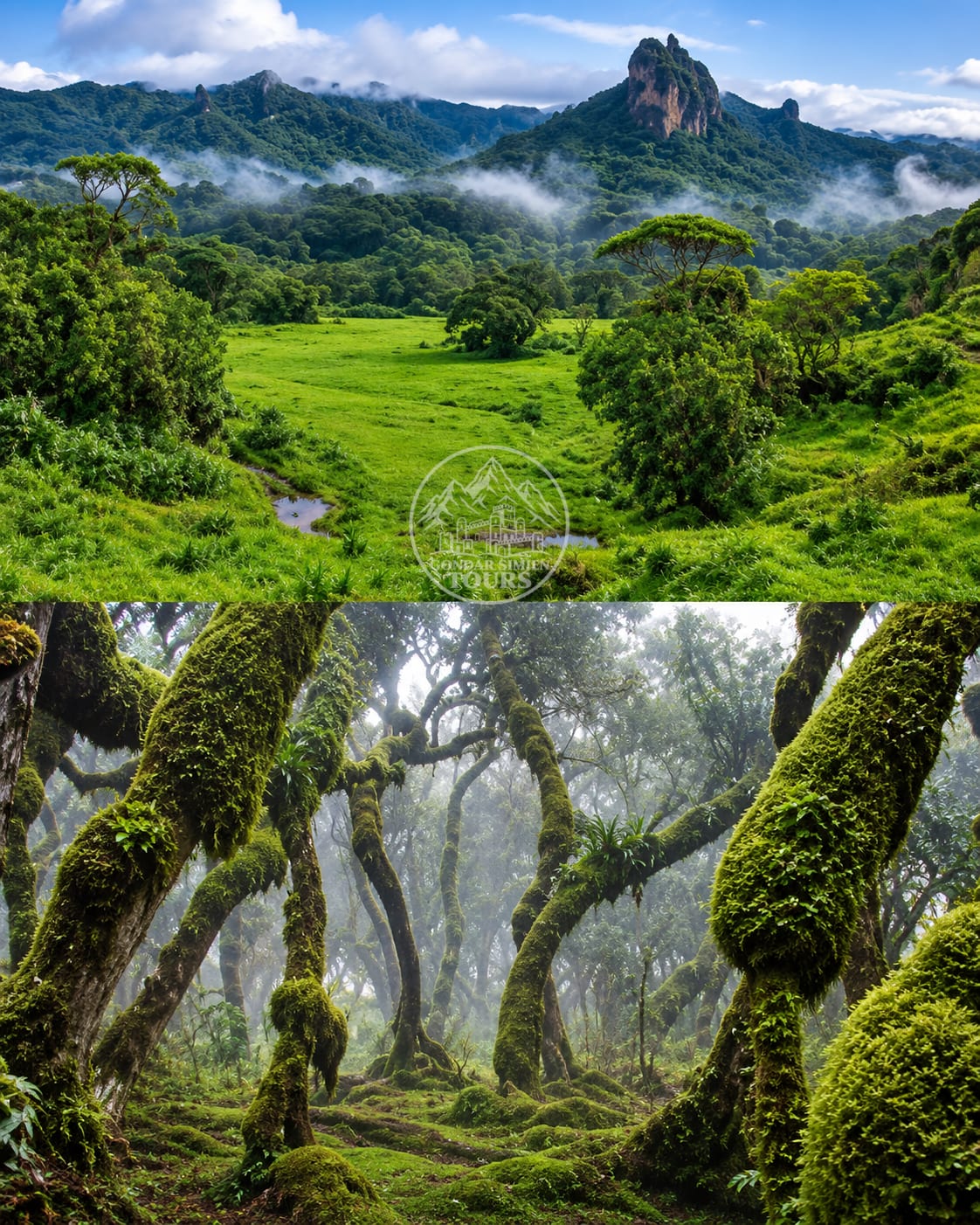
Bale Mountains National Park is a UNESCO World Heritage landscape of volcanic peaks, Afromontane moorlands and cloud forest. It adds an entirely different ecosystem after Omo and Rift travel: Afro-alpine plateaus, Ethiopian wolf habitat on the Sanetti Plateau (sightings not guaranteed), and the Harenna Forest on the southern slopes.
Optional extension
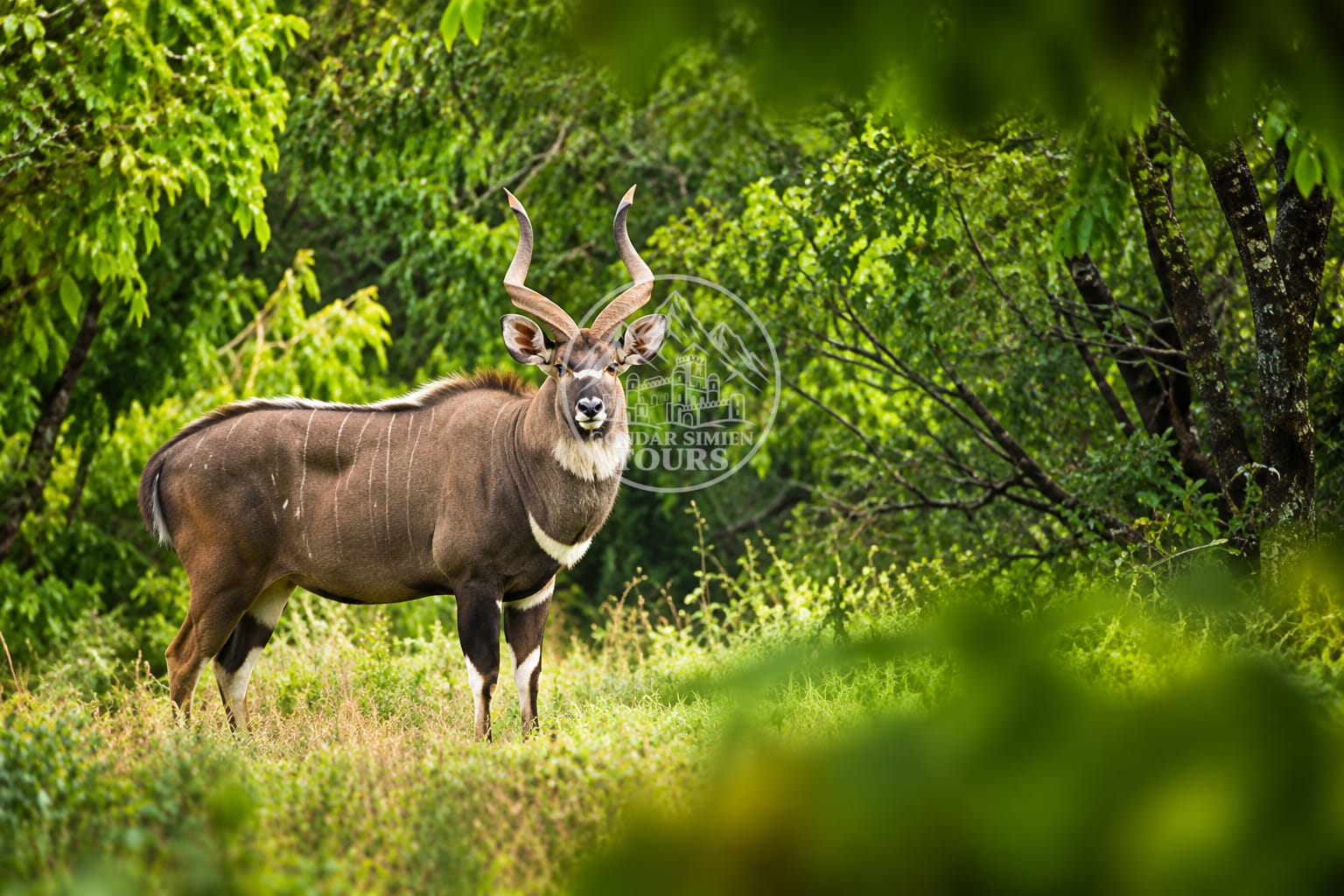
Bale Mountains National Park northern/western approaches; common wildlife and forest base area
Dinsho is a principal access and activity area on the northern side of Bale Mountains National Park. Extension Day 2 typically focuses here: forest walks, mountain vegetation and wildlife observation in known habitats. Mountain nyala and other highland species are possible; sightings are never guaranteed.
Optional extension
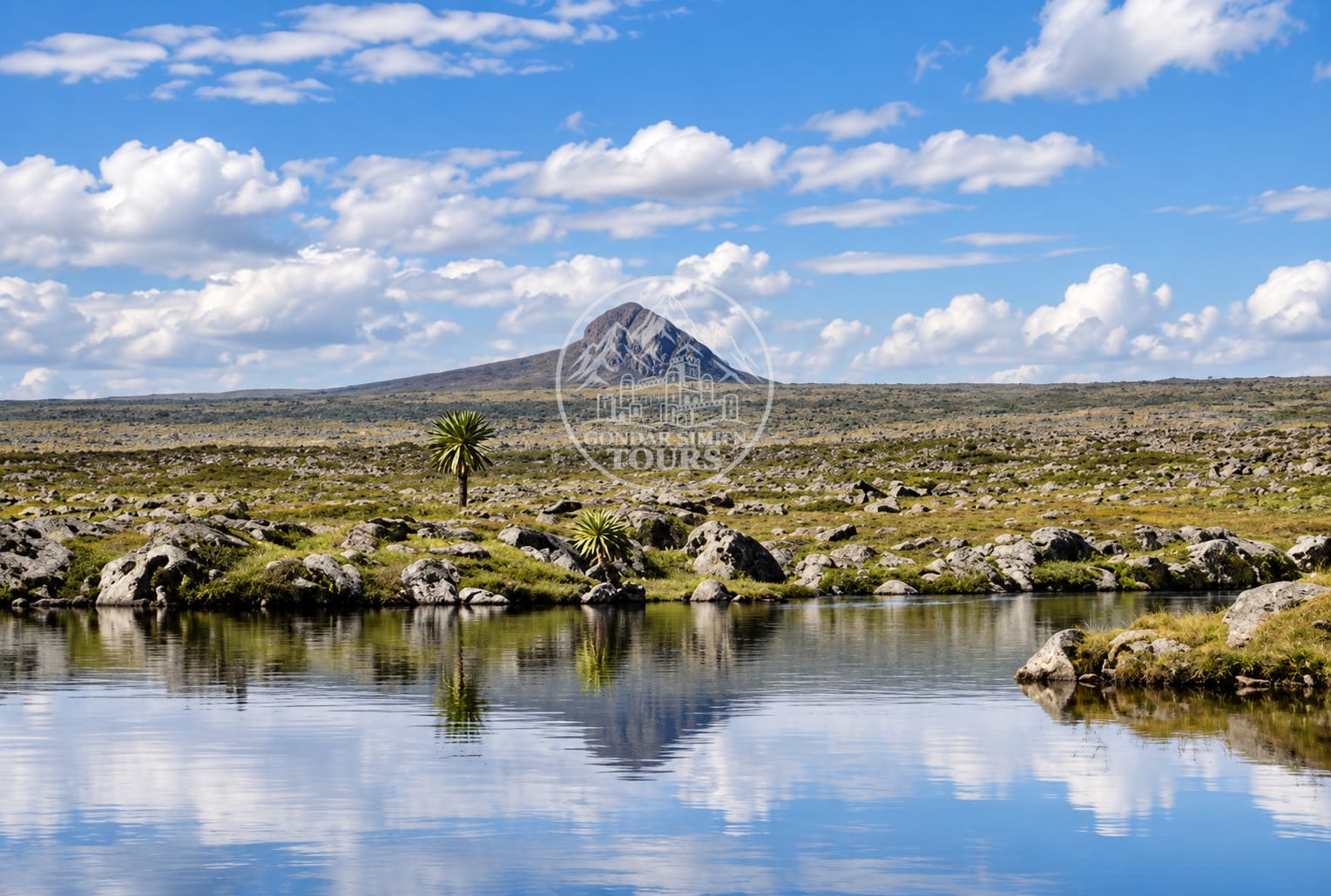
Bale Mountains National Park; high Afro-alpine plateau
The Sanetti Plateau is a high-altitude Afro-alpine landscape — open moorland, giant vegetation forms suited to elevation, and known habitat for the Ethiopian wolf. It is a centrepiece of the optional Bale extension: wide horizons, thin air and a mountain character different from Simien’s escarpment drama.
Optional extension
Southern slopes of Bale Mountains National Park; cloud forest zone
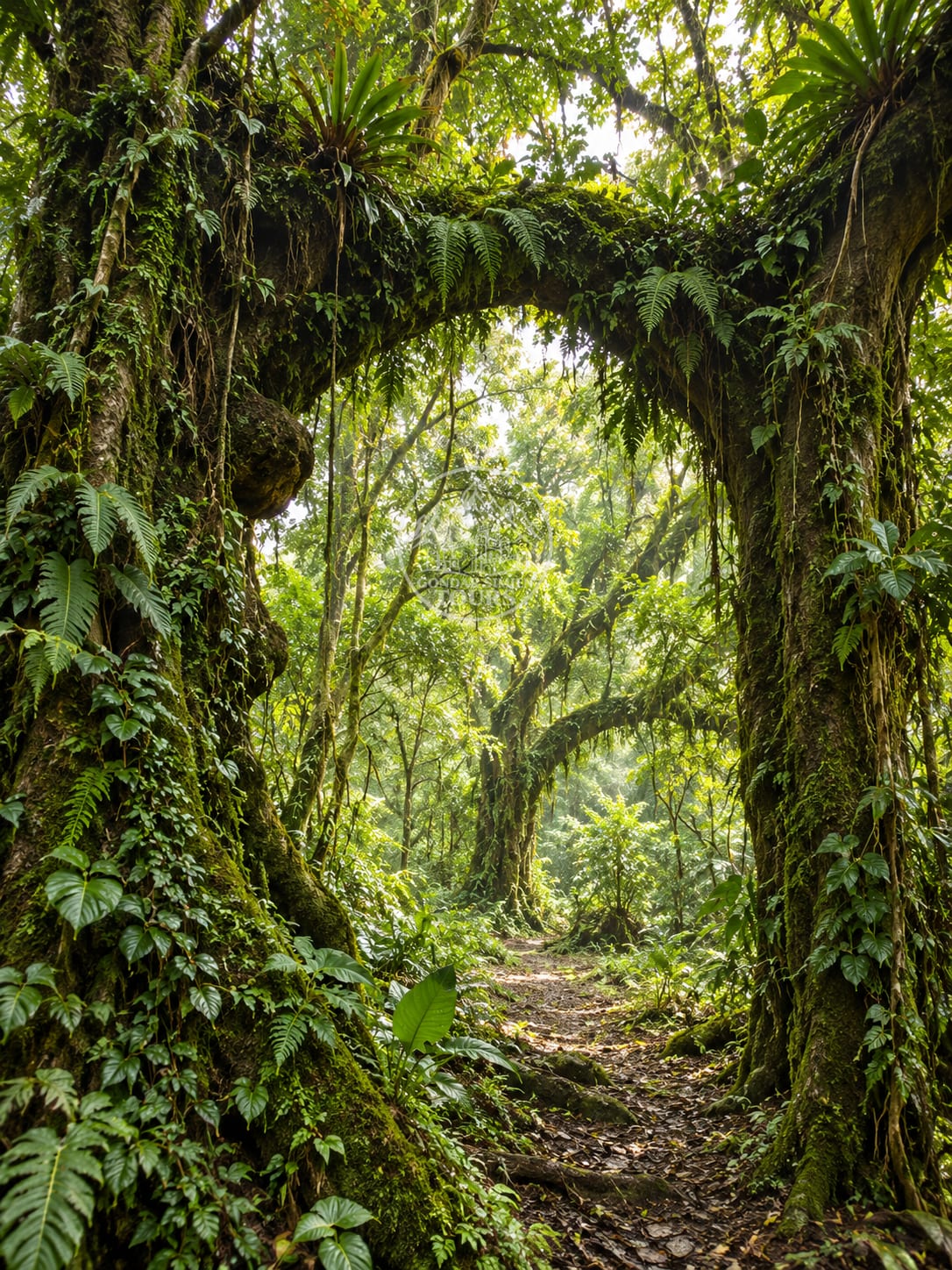
Harenna Forest covers much of Bale’s southern flank: mist, dense Afromontane forest and a sharp ecological drop from the Sanetti Plateau above. On the 4-day Bale extension it typically anchors Day 4 — forest time and the beginning of the return toward Addis Ababa.